
21
Historic Homes in Northern New England: What Buyers Should Consider
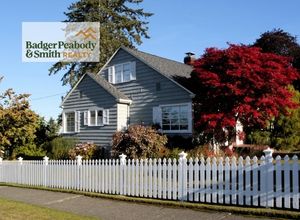 There's something about a farmhouse, the bones of which date back to the 1850s, that seems to call to people. Wide planks, hand-hewn beams, a fieldstone foundation that has endured the best and worst of New Hampshire winters.
If you find yourself charmed by any of these features in a New Hampshire property, our real estate agents have bought and sold similar homes and can guide you through the important considerations that will help you decide if this is the home for you.
What to Know About Older New Hampshire Homes
Age is part of what gives a New Hampshire home its historic character, but it isn't the only consideration. Grafton and Carroll counties are home to properties from many different periods, including homes built in the 1800s and early 1900s.
What matters just as much is how the property has changed over time. Some older homes retain original post-and-beam framing, wide-plank floors, stone foundations, or other period details while also having updated electrical, plumbing, roofing, or heating systems. Others may still have older components that deserve a closer look before you buy.
That's why the year a home was built only tells part of the story. Its renovation history, maintenance, and major systems can be just as important.
Some Important Questions to Ask
- Has the foundation been repointed, or does it still have the original lime mortar?
- What year was the roof replaced?
- Were there any additions to the house on the property, and if so, did they have permits?
The answers to some of these questions may not be readily available when you buy a home, so it's worth checking municipal records for permits and other documentation related to past work.
Think About Systems and Structure
Keep in mind that many older homes were built long before today's building codes and construction standards, which can affect the amount and type of work a property may need. Septic systems are especially important when purchasing an older home, particularly in rural and lakeside areas. Some older systems may predate current standards, and lot size, setbacks, soil conditions, and local requirements can affect future repair or replacement options.
There are also features of historic homes that may look concerning at first but need to be evaluated in context. Some common examples include:
- Cracks in plaster walls, which may be cosmetic or may warrant a closer look depending on their location and severity.
- Original windows that may be candidates for repair rather than automatic replacement.
- Well performance, which can vary considerably from one property to another, even when nearby homes have similar lot sizes.
You'll want to get a home inspection from someone with experience evaluating pre-1940 construction and older building methods. Some conditions in post-and-beam homes, stone foundations, older electrical systems, and other historic features may not be immediately obvious during a standard visual inspection. In some cases, additional evaluation by a specialist may be recommended if there are questions about concealed structural components or major systems.
Loans and Insurance May Be More Complicated Than You Think
Some lenders will be reluctant to finance a home with knob-and-tube wiring, an undersized electrical service, or a roof that needs replacing. The same goes for insurance. Some companies will be hesitant to cover a home with significant pre-modern systems still in place.
You may want to consult with a lender and an insurance agent before making an offer, especially if you're financing the purchase. It's also important to make sure the title search accounts for any applicable easements, rights of way, or other recorded matters that may affect an older property.
Other Preservation Issues
If you're buying a home in a community with a historic district designation, you may want to check with the local preservation commission to find out if there are any architectural guidelines that apply to your proposed renovations. Every community has its own rules, so it's a good idea to check with the appropriate municipal office.
Common Questions About Buying Old New Hampshire Homes
Are historic homes in New Hampshire more difficult to insure?
It varies from case to case, but homes with older electrical, heating, and roofing systems may incur higher premiums or be required to make upgrades before coverage can be obtained.
Do I need a special inspector for an older home?
Ask prospective inspectors about their experience with pre-1940 construction and older building methods, including post-and-beam framing and older electrical systems. Depending on the property, an inspector may also recommend further evaluation by a specialist.
Can I renovate a historic home any way I want?
Not necessarily. Local building, zoning, and other requirements may apply to renovations, and properties within a designated historic district may be subject to additional guidelines. Check with the appropriate municipal officials before planning major changes.
Buying a Historic Home in New Hampshire Can Be Rewarding
While older properties require more research than new builds, once you find the right one for you, it will be worth the extra time and effort.
Search our site for current Plymouth homes for sale, or contact us today to start your search.