
13
Converting Barns into Living Spaces
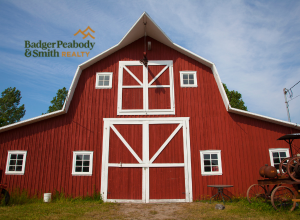 If you're looking to preserve a piece of architectural history and repurpose it into a living space, converting an old barn into a home might be just what you need. Across New England, converting an old barn frame into a new residence or secondary home building has been catching on.
While it seems like a simple enough project, there is much more challenge than meets the eye when building a barndominium. If you're up for the task, here's how to get started.
Research Old Barn Frames
You will want to make sure you have a solid understanding of common layouts in historical barn frames so that you can incorporate your new living space details well inside the old framework.
Having this information also allows you to determine which style of barn would work best for the barndominium of your dreams. Make a road trip out of it to visit barns. Consult books and, of course, search engines to help acquaint yourself with all the barn styles.
Determine Your Project Budget
Like any other home renovation project, there isn't much point in conceiving, planning, or getting into the nitty-gritty details before knowing the budget you're working with. You can come up with the project budget by considering details like if it will be a property that provides income (will you be renting it out for short-term stays?) and the funds you have available now to invest in the renovations.
Find a Reputable Timber Framer
It's often best to leave it to the professionals when it comes to the physical labor of repurposing an old barn. There are many construction and carpentry workers who are willing to work with old barns, but do yourself a favor and choose an expert timber framer who does this kind of work often. It's a special skill and expertise for a reason, and in a project like this it could make all the difference.
Follow Their Advice While Leaving Most Unaltered
You will want to make sure that you keep much of the heritage barn as is in order to preserve the vintage or antique aesthetic charm factor. Additionally, your timber framer can guide on what to keep and what can be updated, which barns are good to buy for a project like this, and which pieces should be upgraded for best outcomes. One area to remember is the need for insulation as you turn this structure into a residential dwelling.
Gain Zoning Approval
When you're deciding on any building or renovation project in New Hampshire or Western Maine, it's vital to do your research and prepare following the land planning and zoning approval rules. As such, you'll need to check with the local town or city ordinances and apply for residential conversion permits for your project.
Courtney Edgar is a lifestyle journalist and copywriter based in Montreal. Her work has been published in HuffPost, PopSugar, Atlas Obscura, Explore Mag, and more.