
16
Small Earth-Friendly Changes Have a Big Impact
 The first Earth Day on April 22, 1970, paved the way for a movement that is still going strong, uniting people around the globe to take action to protect our planet.
Celebrated on April 22 each year, Earth Day prompts us to think globally but act locally, making sustainable, eco-friendly choices in our daily lives at home and in our communities. When practiced nationwide or worldwide, small changes can add up to significant benefits.
Most of the choices you can make are easy to implement but have a big impact. Taking these small steps helps reduce your carbon footprint and may even save you money in energy costs.
Swap Light Bulbs: LED bulbs use less energy and last longer than the old incandescent bulbs. Because they use less energy, you'll save money on your electric bill.
Switch Cleaning Products: Use natural cleaning products as much as possible to avoid introducing harmful chemicals into your home or into your town's wastewater. Many stores sell hand soaps, dish and laundry detergents, and bathroom cleaning products that are free of harmful chemicals. It's also trendy to make your own cleaning products using common household items like white vinegar and baking soda.
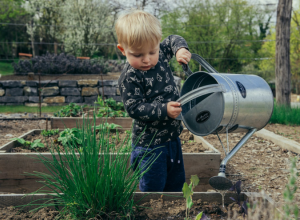 Plant A Garden: When you plant a garden, you are growing your own food, and you know what goes onto your plants and into your soil. Homegrown food tastes better than produce that has, in many cases, traveled thousands of miles to reach your grocery store and may have been grown with pesticides and non-organic fertilizers. If you don't have space for a garden, try container gardening or join a community garden.
Use a Water Filter: Drinking tap water is cheaper and healthier for the environment than purchasing water in plastic bottles, but sometimes tap water doesn't taste good. Purchase a water filter for your faucet or a water pitcher filter for sweet-tasting water.
Invest in a Smart Thermostat: Smart thermostats are programmable, offer energy-saving settings, and collect usage data so you can manage your heating and cooling more efficiently through your smartphone.
Manage Your Garbage: Most towns offer some level of recycling, with other waste going into the landfill. If you have a yard where you can stash a compost bin, this is a great way to recycle fruit and vegetable remains and any non-meat waste like coffee grounds. Compost eventually becomes free fertilizer for your garden.
 Install a Low-flow Toilet: Low-flow toilets use about 1.6 gallons of water per flush compared with a regular toilet's flush of between 3 and 7 gallons of water, saving you money on your water bill.
Wash in Cold Water: Cold water uses less energy than heating water to wash a load of clothes. Install a clothesline if you have the space and hang clothes outside to dry rather than using a clothes dryer.
Avoid Single-Use Items: Disposable items like plastic water bottles, to-go cups, and plastic wrap end up in landfills. Swap them out for items like reusable coffee mugs and water bottles. Reusable and compostable beeswrap wax products are handy to wrap produce, bread, and vegetables, or cover bowls, eliminating the need for plastic wrap. Silicone bowl covers are another option to reduce plastic waste.
 Bring A Bag: Reusable shopping bags come in numerous sizes, shapes, styles, and colors, and are inexpensive investments. Packing your groceries or other items in a reusable bag instead of plastic store bags reduces the amount of plastic that ends up in the landfill, where they take years to decompose.
Shop Local: Supporting local businesses supports the local economy, creating jobs, and keeping more money in our own communities.
Shop Thrift Stores: Thrift or consignment stores are great places to shop for clothing, household items, books, toys, furniture, and much more. Although the items are second-hand, they are in good to excellent condition and cost many dollars less than purchasing something new.
Earth Day on April 22 is a reminder that there are numerous ways you can make sustainable, eco-friendly choices year-round that help support your health, the health of the planet, and also benefit your pocketbook.
Eileen Alexander, a New Hampshire native, made a short detour through North Carolina before returning to the Granite State. She has a yen for old homes with character, colorful flower gardens, and expansive mountain views.
See this article and more in the spring edition of Journey Home, Badger Peabody & Smith Realty's magazine focusing on New Hampshire real estate and local living.